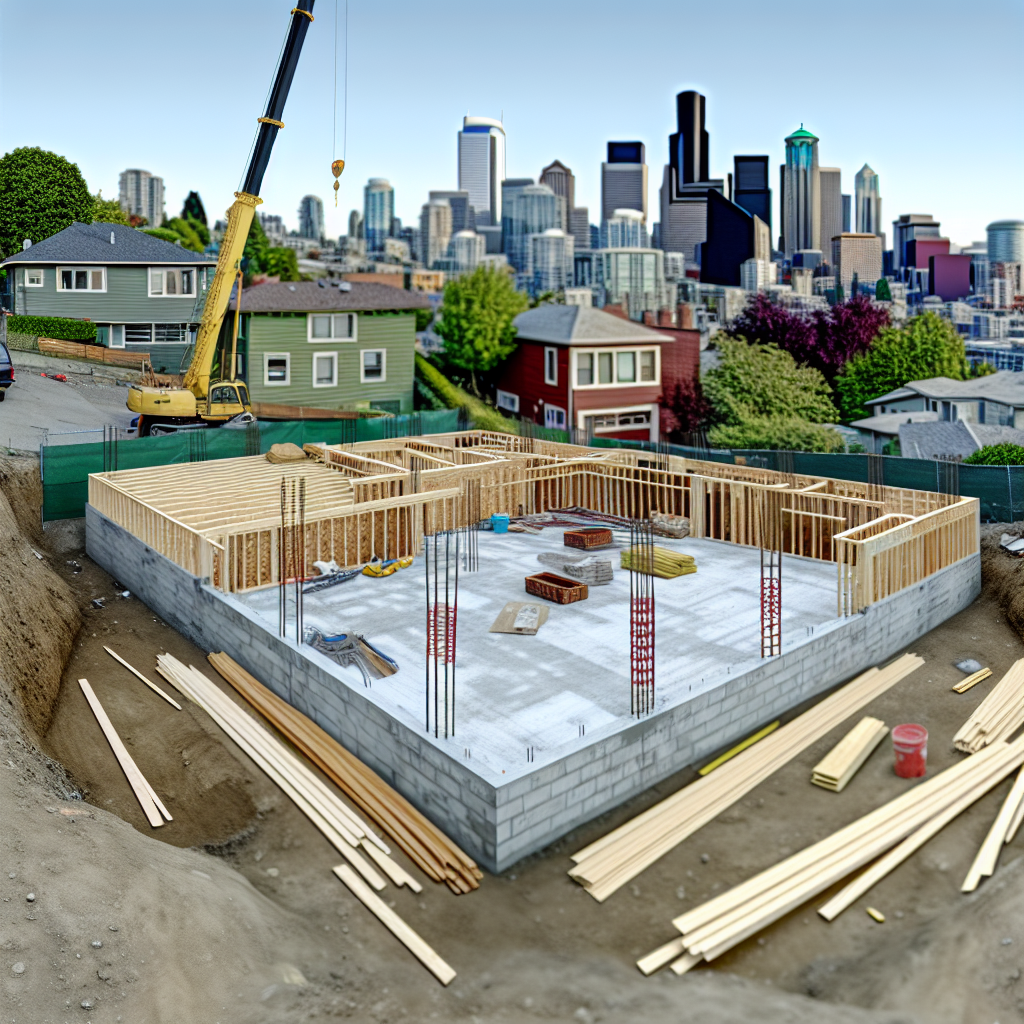
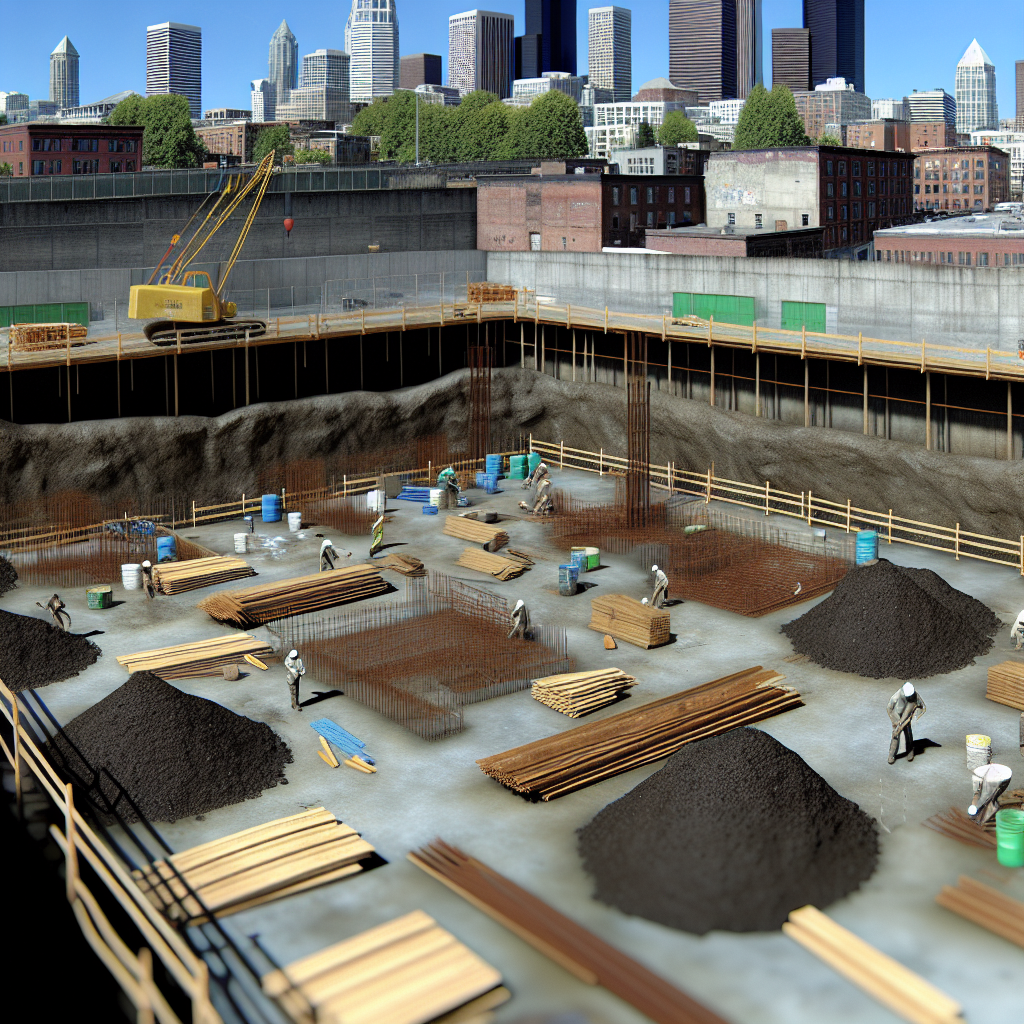
Estimating construction project costs is a critical component of any building venture in Seattle, a city known for its unique climate, vibrant architectural landscape, and stringent building codes. With the constant demand for housing and commercial spaces, understanding construction cost estimates is essential for homeowners, developers, and construction professionals. The fluctuating real estate market and the necessity for climate-resilient structures further complicate these estimations.
For stakeholders in Seattle, accurately assessing construction costs can mean the difference between a successful project and a financial setback. As the construction landscape evolves, so must the methods for developing reliable cost estimates. This article provides a comprehensive guide to understanding and implementing effective cost estimation strategies, tackling the complexities of construction in the Seattle market.
The Importance of Accurate Construction Cost Estimates
Current Construction Trends Affecting Costs
The Seattle construction market is influenced by trends such as sustainable building practices, urban expansion, and technological advancements like prefabrication and BIM (Building Information Modeling). These factors affect construction cost estimates by introducing new materials and processes that require careful budgeting and forward-thinking strategies.
Key Factors in Construction Cost Estimation
- Material Costs: Volatility in material prices due to supply chain issues and tariffs.
- Labor Costs: Skilled labor is in demand, impacting wage levels.
- Permit and Compliance Costs: Adhering to Seattle’s strict building codes and regulations.
Step-by-Step Guide to Estimating Construction Costs
Project Scope Development
The initial step in construction cost estimating is defining the project scope, which outlines the work requirements, including size, complexity, and preferred materials. A well-defined scope can prevent scope creep and ensure budgeting accuracy.
Checklist for Developing a Project Scope
- Identify the project’s purpose and objectives.
- Define deliverables and success criteria.
- List tasks and dependencies clearly.
- Consult local zoning and building codes.
Determining Direct and Indirect Costs
Project costs are divided into direct costs (materials, labor, equipment) and indirect costs (permits, administrative fees, utilities). Accurate separation of these costs is essential for a reliable estimate.
Calculating Direct Costs
- Estimate material quantity and cost using supplier quotes.
- Determine labor hours and rates based on contractor agreements.
- Account for equipment hire or purchase prices.
Involving General Contractors in Pricing
Engaging general contractors early can provide valuable insights into realistic pricing and potential cost-saving opportunities. Their experience with local suppliers and subcontractors can refine overall project budgets substantially.
Tips for Working with General Contractors
- Request detailed bids from multiple contractors.
- Discuss past project cost breakdowns for similar work.
- Communicate clearly about the project timeline and expectations.
Addressing Seattle-Specific Construction Challenges
Climate Considerations in Cost Estimates
Seattle’s rainy climate requires special attention to waterproofing and weather-resistant materials. Additional costs may arise from materials like composite roofing and advanced insulation, vital for energy efficiency in a damp environment.
Regulatory and Compliance Costs
Seattle’s rigorous building codes ensure safety and sustainability but add a layer of complexity and cost. Compliance involves various fees and potentially lengthier project timelines for approvals, impacting general contractor pricing.
For more on Seattle building codes, visit the Seattle Department of Construction & Inspections.
Improving Cost Estimate Accuracy: Best Practices
Utilizing Technology in Estimating
Incorporating construction management software and technologies like BIM enhances estimation accuracy. These tools facilitate detailed project visualization and real-time data analysis, reducing errors and adjustments during the build phase.
Continuous Education and Professional Resources
Engaging with resources such as the USA.gov Local Governments resource for regional building updates or attending industry workshops can keep professionals informed of best practices and innovations.
Conclusion: The Value of Informed Construction Planning
Accurate construction cost estimates are indispensable for successful project execution, particularly in the dynamic Seattle market. Understanding market trends, leveraging professional expertise, and utilizing advanced tools can significantly impact project outcomes. As Seattle continues to grow and evolve, so too should the strategies employed by its construction professionals and stakeholders.
For further guidance on construction management in the Seattle area, Construction Project Management stands as a reliable resource, dedicated to facilitating informed decision-making and promoting excellence in construction practices.