
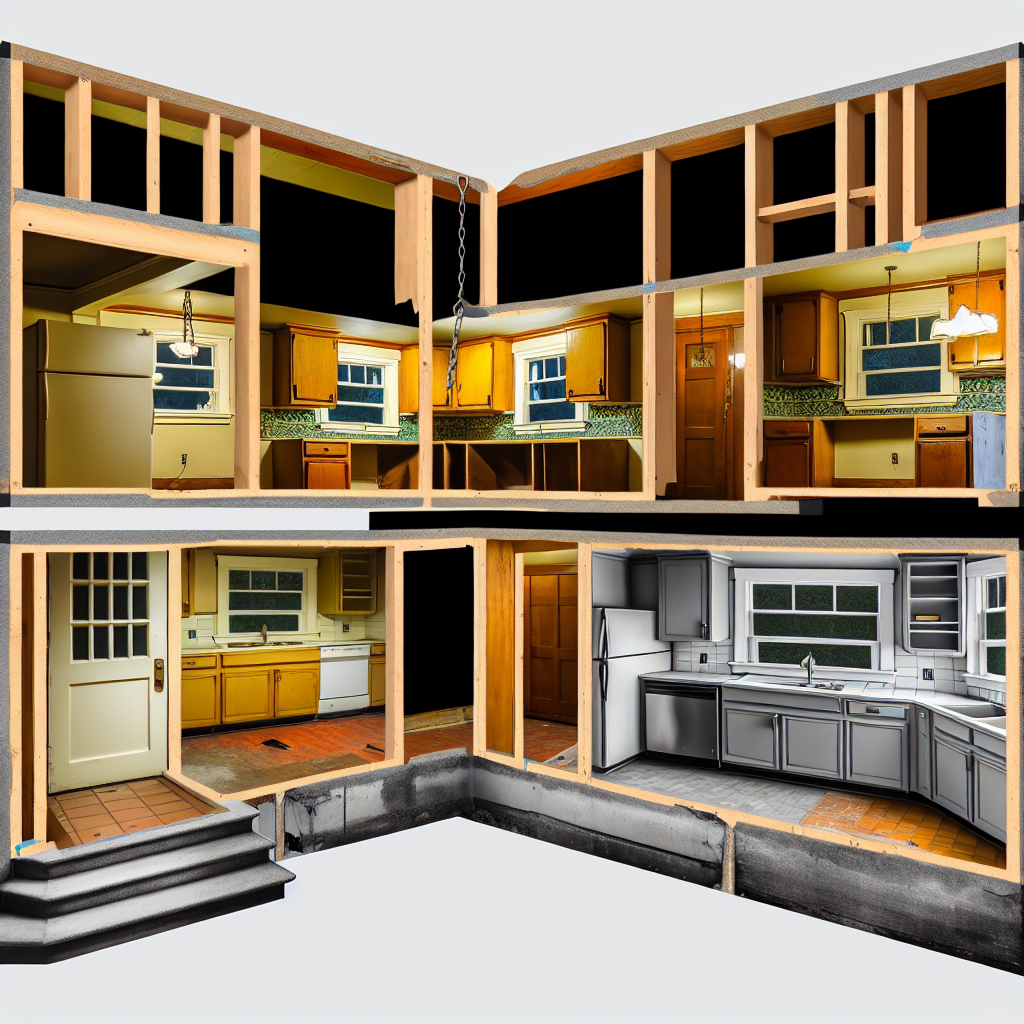
The kitchen is often considered the heart of the home, where functionality meets aesthetics. In Seattle and Washington State, kitchen renovations are not just about updating the look but also enhancing energy efficiency, complying with local building codes, and adapting to the unique climatic conditions. With housing market demands pushing for modernized spaces, understanding the intricacies of a kitchen renovation becomes crucial for homeowners and professionals alike.
Understanding Seattle’s Unique Kitchen Renovation Landscape
Seattle’s diverse architectural styles and older building stock can present unique renovation challenges. Many homes require upgrades to meet current building codes, address energy efficiency needs, and adapt to the wet, maritime climate of the Pacific Northwest. Furthermore, as sustainability becomes a crucial consideration, integrating eco-friendly materials and technologies is increasingly prioritized.
Step-by-Step Guide to Successful Kitchen Renovation
Planning the Kitchen Remodel: Key Considerations
Successful kitchen renovations start with meticulous planning. Considerations include budget setting, timeline planning, and scope definition. Determining the functional needs versus aesthetic desires helps in prioritizing elements that enhance both usability and style.
Step 1: Evaluate the Current Kitchen Layout
- Analyze workflow: Assess the current layout’s functionality in relation to the work triangle concept comprising the sink, stove, and refrigerator.
- Identify pain points: Note any aspects that disrupt day-to-day use, such as insufficient storage or lighting.
- Space optimization: Explore open-plan possibilities, especially if your kitchen feels cramped.
Step 2: Design Inspirations and Kitchen Renovation Ideas
Modern kitchen renovation ideas blend aesthetics with functionality. Consider incorporating:
- Smart storage solutions: Maximize cabinet space with pull-out shelves and deep drawers.
- Eco-friendly materials: Utilize bamboo, reclaimed wood, or recycled countertops.
- Contemporary appliances: Invest in energy-efficient models to reduce long-term utility costs.
Step 3: Budgeting and Cost Considerations
Estimate costs realistically, accounting for permits and unforeseen expenditures. Allocate funds across categories such as cabinetry, appliances, and labor. A well-planned budget helps in making informed decisions without compromising quality.
Step 4: Hiring Professionals: Contractors and Specialists
A kitchen renovation in Seattle benefits greatly from experienced contractors familiar with local codes and climate considerations. When hiring:
- Verify licenses and credentials to ensure compliance with Washington State’s building regulations.
- Consult with a project manager to streamline coordination.
- Request portfolios and references to gauge the quality of previous work.
Step 5: Securing Permits and Approvals
Seattle regulations require permits for extensive remodels. Check with the Seattle Department of Construction & Inspections for necessary permits early in the process.
Step 6: Execution of the Renovation Plan
With all logistical elements in place, the physical renovation begins. It typically follows these phases:
- Demolition and removal of old fixtures.
- Structural changes and plumbing updates as needed.
- Installation of cabinets, countertops, and flooring.
- Electrical works including wiring for new appliances.
- Final finishing touches and quality checks.
Common Challenges and Best Practices in Seattle Kitchen Renovations
Addressing Moisture: Seattle’s Climate Considerations
Seattle’s wet climate necessitates moisture-resistant materials. Using water-resistant flooring options such as porcelain tile or sealed hardwood helps mitigate potential water damage.
Navigating Building Codes and Standards
Adhering to regional building codes is non-negotiable. These ensure structural integrity and safety. Engaging with professionals knowledgeable about International Code Council (ICC) guidelines can prevent compliance issues that delay renovation projects.
Conclusion: Embracing a Holistic Approach to Kitchen Renovation
Renovating a kitchen in Seattle requires a blend of innovative design, compliance with local building codes, and consideration of climate-specific challenges. By following this comprehensive guide, property owners can achieve a functional, stylish, and compliant kitchen space.
Planning and executing a kitchen renovation with professional oversight ensures quality outcomes. For those navigating this complex process, educational resources like Construction Project Management help in making informed, expert-guided decisions. Embrace the opportunity to enhance your kitchen, adding value and comfort to your home.