Understanding Residential Building Codes in Seattle
Seattle, known for its vibrant culture and breathtaking natural beauty, is also a hub of architectural innovation and diverse housing styles. However, the unique geographic and climatic conditions in Seattle make understanding and adhering to residential building codes critical for homeowners, developers, and contractors. As the housing market continues to evolve amidst increasing demand, understanding and navigating house construction standards is paramount for ensuring quality and safety in residential projects.
Importance of Building Codes in Seattle’s Residential Construction
Building codes are essential regulations that ensure the safety, health, and welfare of residents through structural strength, health standards, and sustainable construction practices. In Seattle, these codes have an added emphasis due to the city’s susceptibility to earthquakes, heavy rainfall, and environmental preservation efforts. Therefore, understanding these house construction standards is crucial for anyone involved in the residential construction sector.
The Role of Climate in Shaping Seattle’s Construction Codes
Seattle’s climate, characterized by significant rainfall and potential seismic activity, influences its building codes. Materials and construction techniques used must withstand these conditions without compromising structural integrity or occupant safety. As such, contractors and homeowners must prioritize moisture resistance, structural reinforcements, and energy-efficient designs in accordance with the local building codes.
Guidelines for Material Selection
- Moisture-Resistant Materials: Choose materials like treated wood, fiber cement siding, and synthetic roofing materials that resist water penetration.
- Seismic Resilience: Incorporate steel reinforcements and cross-bracing systems to enhance earthquake resistance.
- Energy Efficiency: Utilize high R-value insulation and energy-efficient windows to improve thermal performance.
Local Building Code Highlights
Seattle’s building codes are influenced by both the International Residential Code (IRC) and local amendments. Key areas of focus include structural safety, energy efficiency, and environmental impact.
Energy Code Requirements
Seattle’s residential energy code requires advanced framing techniques and efficient HVAC systems to minimize energy use. Homeowners and builders must integrate modern systems that align with these regulations to reduce environmental impact effectively.
Structural Integrity Mandates
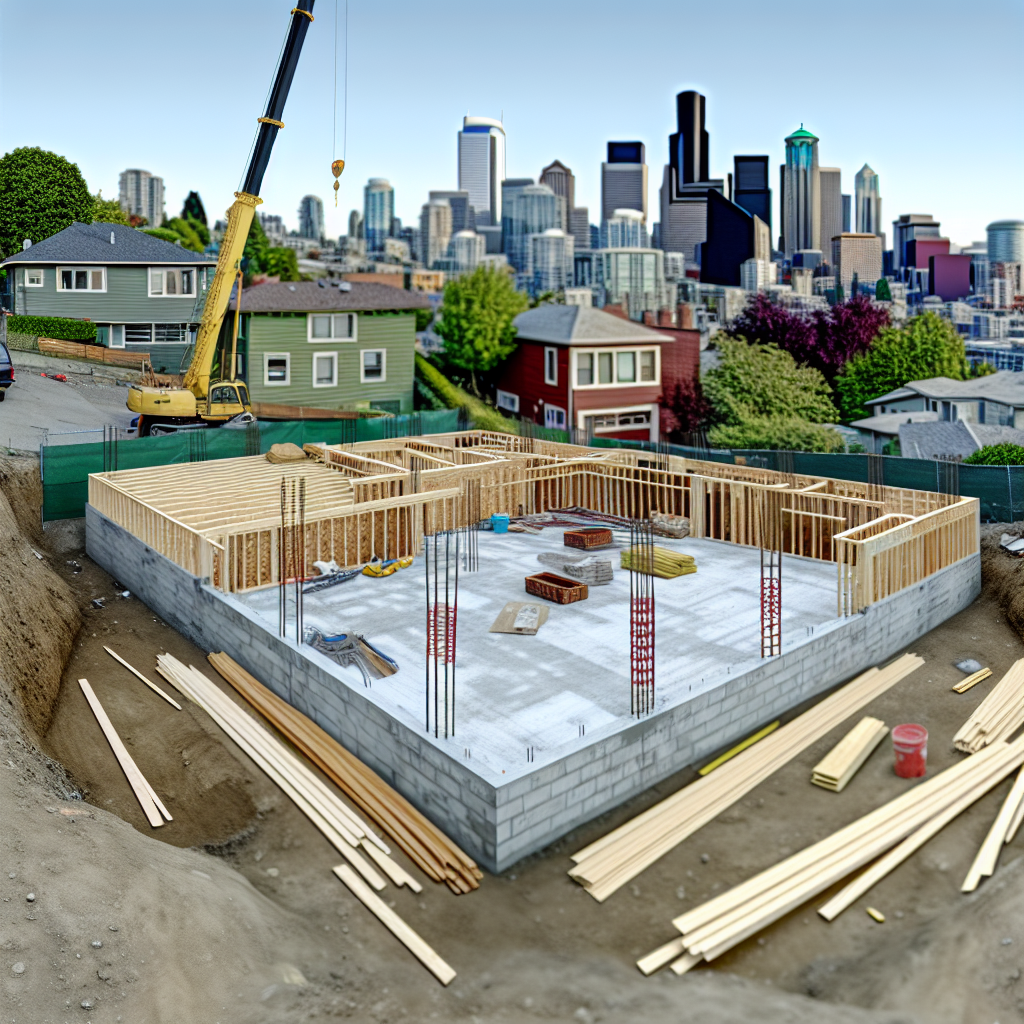
Due to seismic risks, structures must adhere to strict guidelines for foundations and load-bearing elements. Such measures ensure that homes withstand potential earthquakes, protecting occupants and investment alike.
Common Challenges and Best Practices in Compliance
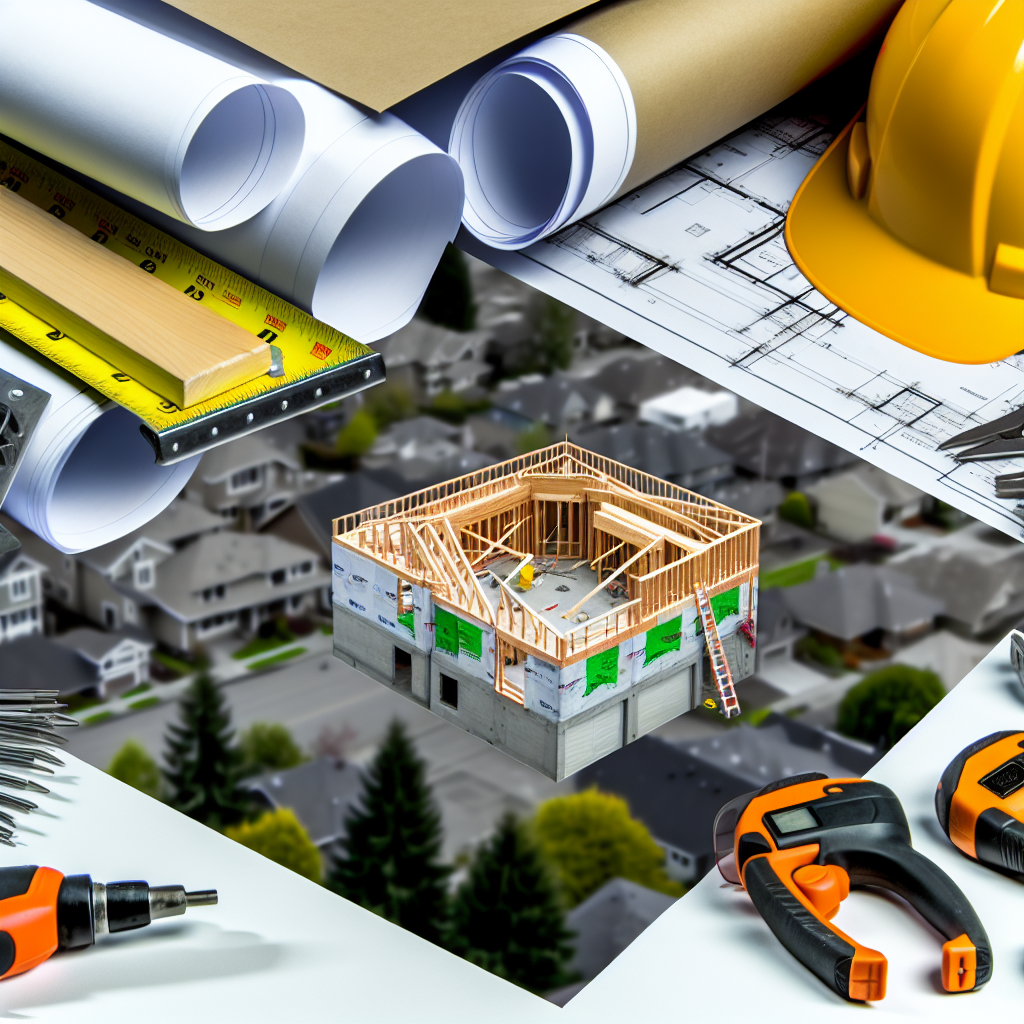
Navigating the complexities of residential building codes can be challenging, especially with the continuous updates to regulations. However, with meticulous planning and expert guidance, homeowners and builders can overcome these hurdles.
Practical Steps for Code Compliance
- Thorough Research: Stay updated on the latest amendments in local building codes by regularly checking official resources like the Seattle Department of Construction & Inspections.
- Hire Knowledgeable Professionals: Engage contractors and project managers experienced in Seattle’s construction standards to ensure compliance from inception to completion.
- Regular Inspections: Conduct inspections at critical stages of construction to confirm adherence to building codes and prevent costly modifications.
Insights for Homeowners and Property Owners
For homeowners looking to build or renovate in Seattle, understanding these construction standards is essential for making informed decisions that affect property safety, value, and longevity.
Tips for Engaging with Contractors
- Verify Credentials: Ensure that the professional has a solid understanding of local building codes and check their past projects for compliance and quality.
- Transparent Communication: Maintain open lines of communication regarding timelines and budgetary constraints linked to code compliance.
- Post-Project Inspections: Schedule a final inspection after project completion to verify all work meets current standards.
Conclusion
Understanding and implementing residential building codes in Seattle is integral for delivering safe, durable, and environmentally friendly homes. Both homeowners and professionals must remain informed and proactive, ensuring that all construction projects meet the stringent local standards for safety and quality. By adopting a comprehensive approach to planning and execution, you position your construction endeavors to succeed while optimizing the value of your real estate investments.
As a trusted resource in the Seattle construction landscape, Construction Project Management stands dedicated to empowering individuals with the knowledge and tools necessary for successful residential projects. For further reading on Seattle’s construction regulations, refer to resources such as International Code Council.