
“`html
Understanding the Growing Popularity of Open Floor Plans in Seattle Construction
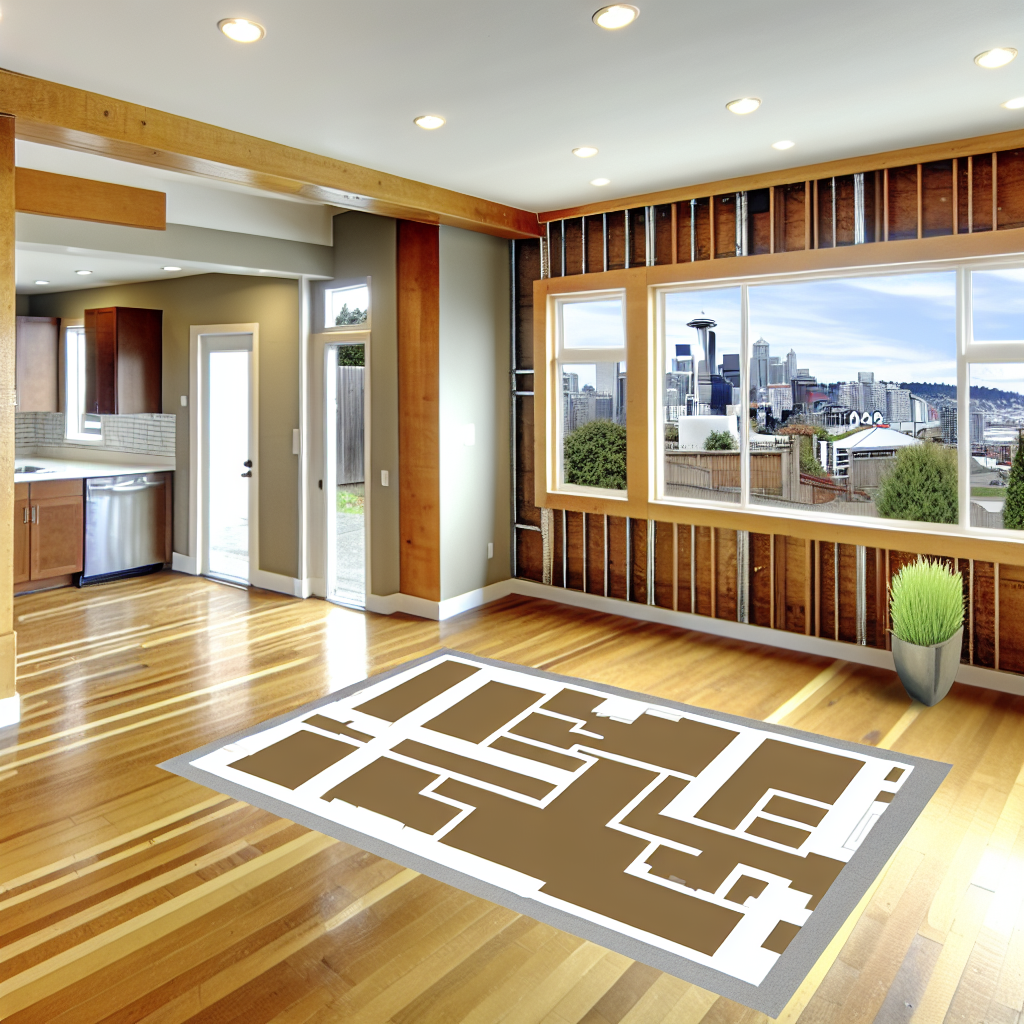
The Seattle housing market is experiencing shifts towards modern, flexible designs, with open floor plans leading the trend. These layouts are particularly popular in both new constructions and renovations of older buildings. Residents and professionals are attracted to the adaptability and spaciousness these designs offer. As construction practices evolve in Seattle, adapting to both market demand and climate considerations, understanding the pros and cons of open floor plans is crucial for homeowners, property managers, and construction professionals.
The Benefits of Open Floor Plans for Seattle Homes
Open floor plans provide numerous advantages, particularly relevant to the Seattle area. These benefits align well with the needs of modern families and professionals who desire multifunctional living spaces.
- Increased Natural Light: Removing walls allows light to travel further into a home, a valuable feature in Seattle’s often overcast climate.
- Improved Social Interaction: Open layouts facilitate better communication and connectivity among family members and guests during gatherings.
- Space Flexibility: The lack of walls offers homeowners the flexibility to define spaces dynamically based on their needs, which is ideal for accommodating different activities in a single area.
- Modern Aesthetic Appeal: Open floor plans contribute to a contemporary look that appeals to new buyers and renters.
Challenges of Implementing Open Floor Plans in Seattle Construction
While open floor plans are attractive, they present specific challenges that should be considered during planning and execution.
- Noisy Environment: With fewer walls, sound can travel more easily, potentially increasing noise levels which might be troublesome in bustling Seattle neighborhoods.
- Heating and Cooling Efficiency: Open spaces can be harder to heat or cool uniformly, an aspect worth considering given Seattle’s fluctuating temperatures.
- Lack of Privacy: The open nature can make finding private areas within the home challenging, an important consideration for families with children or multiple tenants.
Practical Construction Guide: Creating an Open Floor Plan
- Initial Planning: Consider both current and future needs of the inhabitants. Engage an architect to help balance aesthetics with functionality.
- Structural Integrity: Consult a structural engineer to assess load-bearing walls and necessary support beams to ensure safety and compliance with building codes.
- Design for Light and Acoustics: Incorporate features like skylights or acoustic panels to mitigate some challenges associated with natural light and noise control.
- Incorporate Multifunctional Furniture: Use furniture to demarcate areas within the open space effectively and flexibly.
Smart House Layout Ideas for Open Floor Plans
Innovative layout ideas tailored to Seattle’s construction practices can enhance the livability of open floor plans. Key considerations include multifunctionality and adaptability.
Integrating Local Materials and Climate Considerations
Incorporating local materials and understanding Seattle’s climatic conditions are crucial in designing effective open floor plans. Materials that enhance insulation and energy efficiency, such as sustainable wood or recycled metal, are recommended.
Collaboration with Contractors and Project Managers
Collaborating closely with knowledgeable contractors and experienced project managers ensures that open floor plans are executed effectively. They bring valuable insights into optimizing construction sequences and managing resources efficiently.
Homeowner Advice: Evaluating Open Floor Plans
Consider Future Flexibility: When evaluating open floor plans, think about future family needs, potential for resale value, and adaptability of the space.
Budget Considerations: Factor in budget for quality materials and furnishings that can augment the open space, considering Seattle’s pricing trends for high-quality and sustainable materials.
Conclusion: Weighing the Pros and Cons
Open floor plans offer a plethora of benefits that cater to modern living in Seattle. However, careful consideration of local construction challenges, climate conditions, and regulatory requirements is necessary. By partnering with skilled professionals and employing thoughtful planning, homeowners and developers can create inviting and efficient open spaces that meet current market demands.
For more comprehensive guidance, Seattle’s homeowners and professionals can access authoritative construction resources such as Seattle Department of Construction & Inspections and informative industry analyses. Engaging with expertise available through platforms like Construction Project Management helps ensure that decisions are informed and beneficial in the long run.
“`