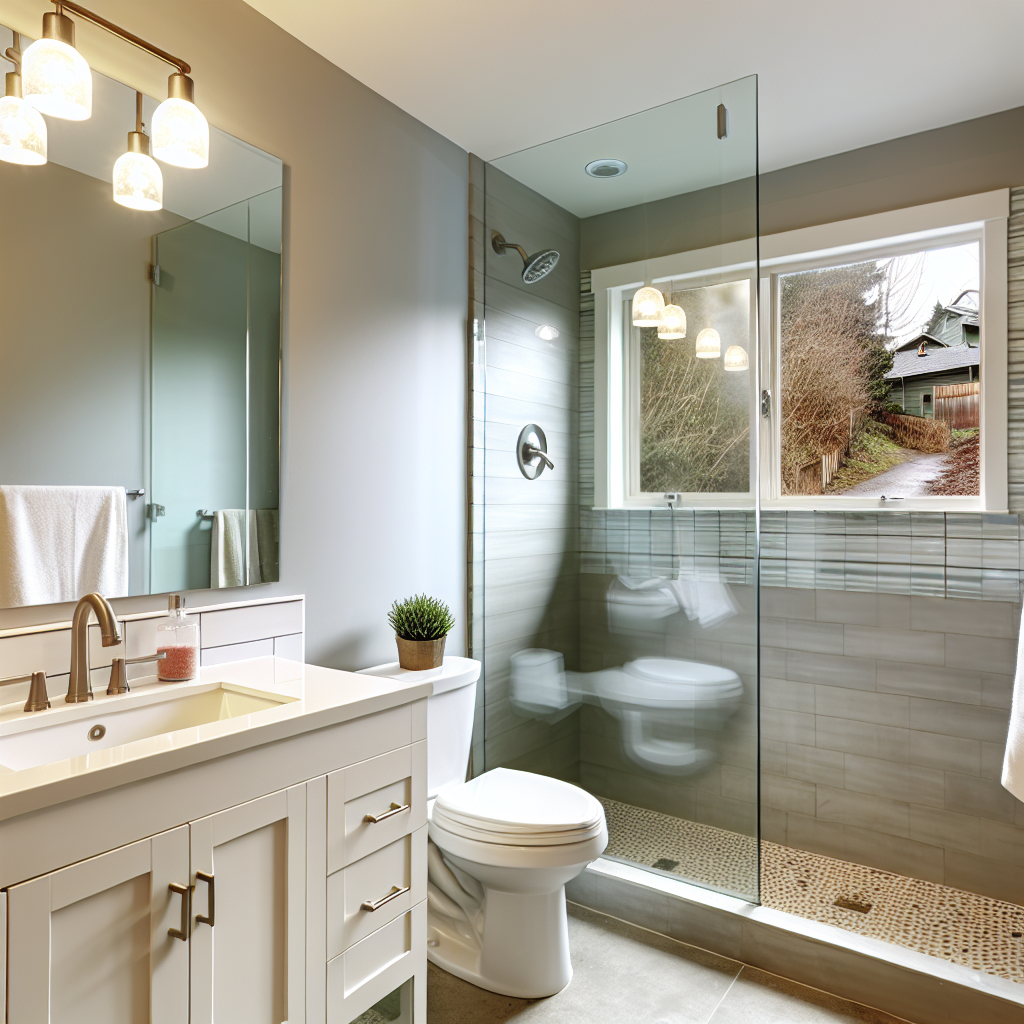
In the Pacific Northwest, Seattle’s unique climate poses specific challenges for construction and renovation projects, particularly when it comes to installing tile in wet areas. Homeowners and construction professionals need to select materials that are not only visually appealing but also durable and weather-resistant. With frequent rain and high humidity, choosing the right tile for your bathroom floor, shower, or kitchen is essential for long-lasting results.
This article explores the best materials for tile installation in wet areas, providing guidance for homeowners, commercial property managers, and construction experts in Seattle and Washington State. We dive deep into material suitability, cost considerations, and installation techniques, equipping you with the knowledge to make informed decisions.
Understanding Bathroom Tile Materials for Seattle’s Climate
Challenges of Tiling in High Humidity Areas
Seattle’s climate, characterized by heavy rainfall and high moisture levels, demands bathroom tile materials that can withstand water exposure. Without the right materials, you risk encountering problems like mold growth, water damage, and tile degradation.
It’s crucial to select tiles and adhesives specifically designed for wet environments. Failure to do so can result in costly repairs and poor project outcomes.
Popular Tile Materials: Pros and Cons in Wet Areas
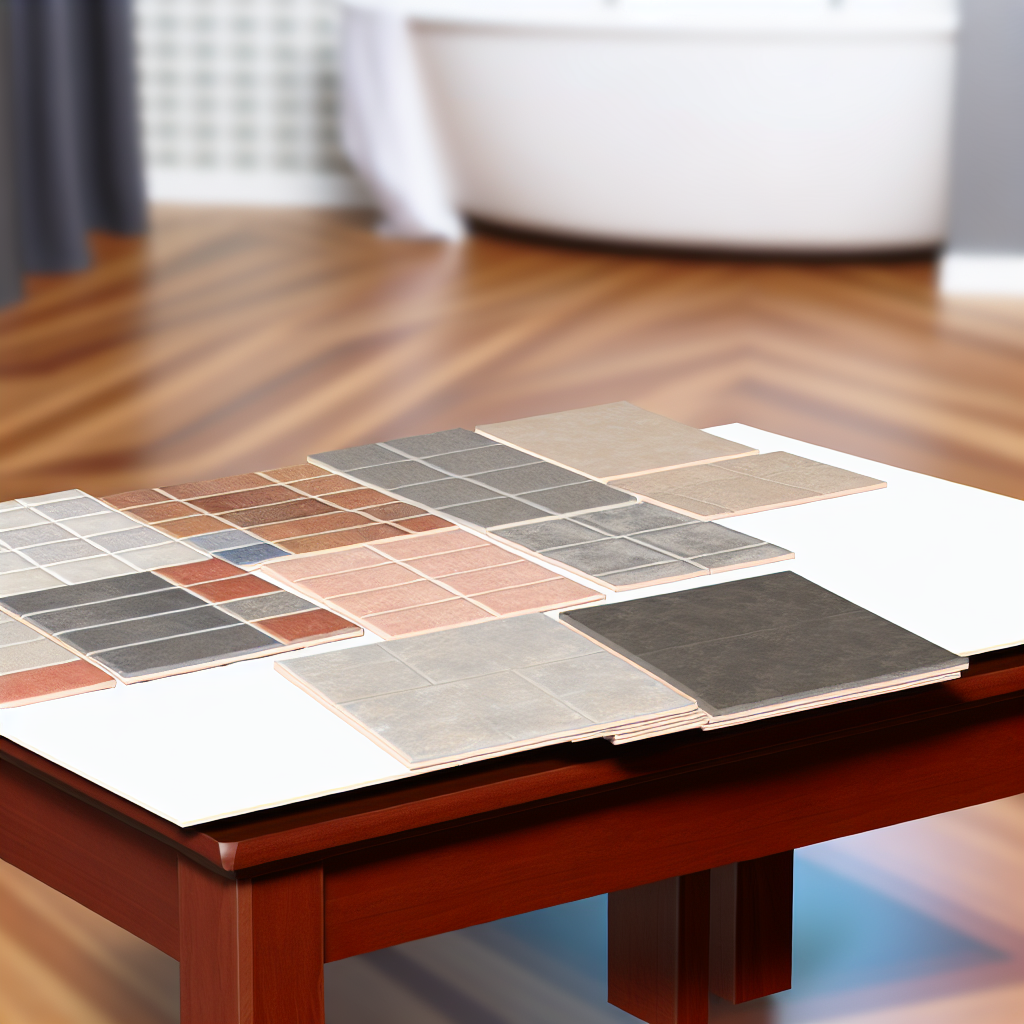
The most common tile materials for wet areas include ceramic, porcelain, stone, and glass. Each offers distinct advantages and disadvantages, making them suitable for different applications in residential and commercial settings.
- Ceramic Tile: Affordable and versatile, ceramic is easy to clean and available in numerous designs. However, it’s less durable than porcelain and may crack under heavy impact.
- Porcelain Tile: Highly resistant to moisture and stains, porcelain is excellent for high-traffic areas. Its durability and dense composition make it ideal for bathroom floors in Seattle.
- Stone Tile: Natural stone like granite and marble provides a luxurious look. While beautiful, stone is porous and requires sealing and maintenance to resist water penetration.
- Glass Tile: Perfect for enhancing visual appeal with a glossy finish, glass tiles are water-resistant but can be slippery when wet.
Using Modern Technologies for Enhanced Tile Performance
Advancements in tile manufacturing and installation technologies add value to modern construction projects. New adhesives and waterproofing systems have emerged, making installations in wet areas more reliable and enduring. Utilizing these technologies helps in maintaining integrity and performance under Seattle’s climatic conditions.
Practical Guide: Best Practices for Tile Installation in Wet Areas
Step-by-Step Process for Optimal Tile Installation
- Preparation: Ensure surfaces are clean, dry, and structurally sound before beginning the tile installation.
- Choose Appropriate Tile and Adhesive: Select high-quality, moisture-resistant tiles and use a waterproof adhesive.
- Waterproofing: Apply a waterproof membrane under tiles, especially in areas prone to water accumulation.
- Tiling Technique: Use correct spacing and apply grout sealer to prevent water infiltration.
- Regular Maintenance: Inspect grout lines and reapply sealant regularly to maintain waterproofing.
Contractor Tips for Successful Tile Projects
- Always consult local building codes and standards regarding tile installations in wet areas. Engaging with certified professionals ensures compliance and quality work.
- Consider anti-slip treatments for bathroom floors to enhance safety, especially in homes with elderly residents or children.
Conclusion: Informed Decision-Making for Tile Installation Success
Choosing the best bathroom tile materials and employing expert installation techniques are critical for successful projects in Seattle’s wet environment. By considering local climate challenges and leveraging modern technologies, homeowners and professionals can achieve beautiful, durable tile installations that last.
For more information, consult resources like the Seattle Department of Construction & Inspections and the National Tile Contractors Association. These offer insights into building codes and professional guidelines.
Seattle Construction Insights is committed to providing expert guidance and educational resources to support your renovation and building endeavors. Together, we can ensure your construction projects are both aesthetically pleasing and structurally sound.