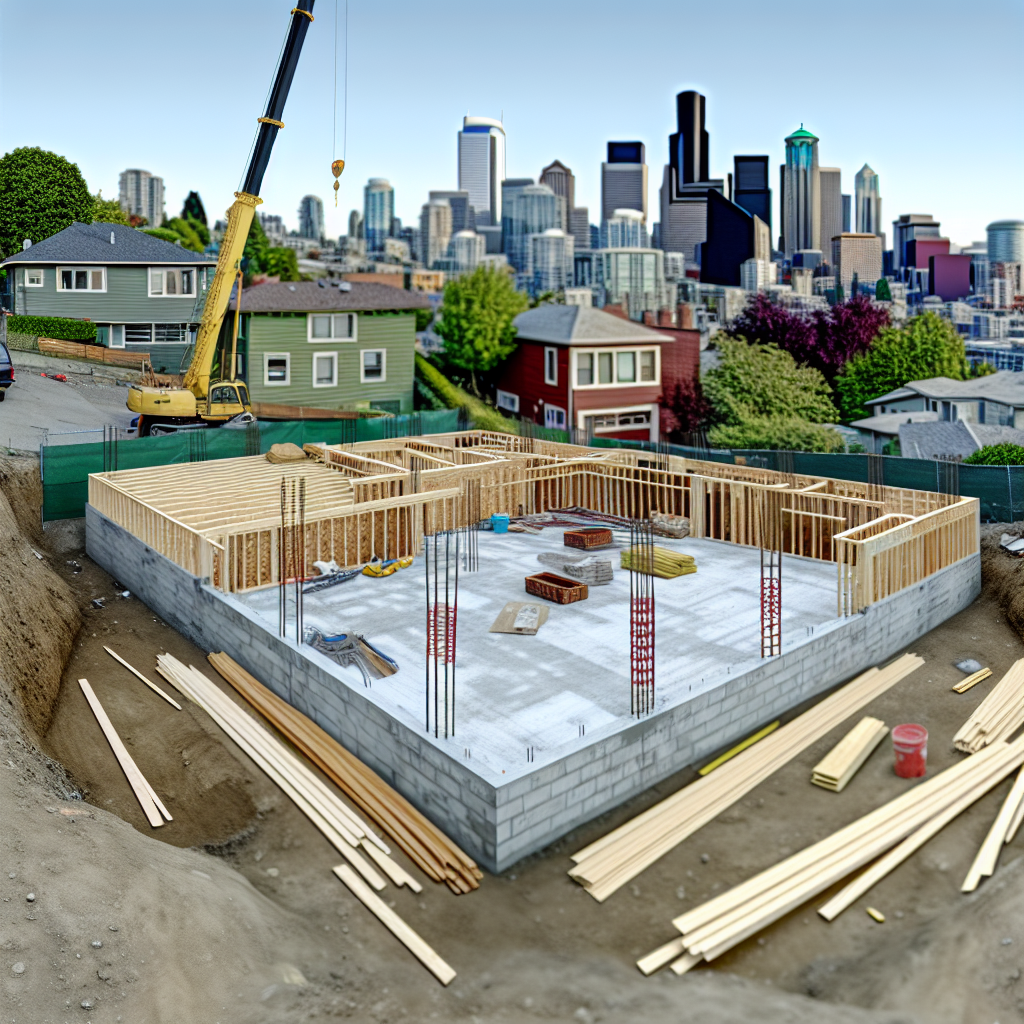

As we look ahead to 2026, the construction landscape in Seattle and Washington State continues to evolve, driven by both technological advancements and the unique demands of our climate and urban environment. Understanding the construction trends 2026 is crucial for homeowners, property managers, and construction professionals aiming to stay ahead in a competitive market.
In this article, we explore the most significant trends shaping the region’s construction industry, offering insights into innovative construction methods, sustainable practices, and the role of key stakeholders.
Innovative Construction Methods Reshaping Seattle’s Skyline
As urbanization accelerates, innovative construction methods are becoming essential. Construction trends 2026 highlight the demand for new techniques that tackle both environmental and economic challenges in Seattle.
Adopting Modular Construction
Modular construction is gaining traction due to its efficiency and adaptability. By prefabricating components offsite, projects can significantly reduce build times and material waste. This method is particularly suited to Seattle’s urban density and weather conditions.
Incorporating Advanced Materials
Materials like cross-laminated timber and high-performance concrete are setting new standards for sustainability and resilience. These materials not only enhance building strength but also address Seattle’s seismic and weather challenges.
Embracing Smart Building Technologies
Smart technologies are transforming how buildings are constructed and maintained. From IoT-enabled devices to automated systems, Seattle construction projects increasingly integrate technology to improve efficiency and sustainability.
Sustainable Practices Leading the Way
The emphasis on sustainability in construction is more critical than ever. Both residential and commercial projects in Seattle are integrating green technologies to minimize environmental impact.
Implementing Energy-Efficient Designs
Energy-efficient buildings are not just a trend but a necessity. For Seattle, designs that optimize natural light and ventilation, coupled with energy-efficient appliances, contribute to reducing carbon footprints.
Utilizing Renewable Energy Sources
Increasingly, Seattle projects are incorporating renewable energy sources like solar panels and wind turbines. These not only decrease reliance on fossil fuels but also offer long-term cost savings.
The Pivotal Role of Contractors and Project Managers
Successful construction projects in Seattle demand skilled coordination and expertise. Contractors and project managers play an indispensable role in navigating local codes and ensuring project efficacy.
Ensuring Compliance with Local Regulations
Understanding and adhering to Seattle’s building codes is imperative. Experienced professionals help navigate these regulations, ensuring projects meet standards set by Washington State.
Coordinating Multidisciplinary Teams
Projects require seamless collaboration among architects, engineers, and contractors. Effective leadership ensures that all team members are aligned, minimizing delays and maximizing quality.
Managing Budgets and Resources Efficiently
Cost management is a critical skill for any project manager. Comprehensive budgeting and resource allocation ensure projects remain on schedule and within financial constraints.
Planning and Budgeting for Future Projects
For homeowners and developers, strategic planning and budgeting are crucial to success. A clear understanding of trends and methods arms stakeholders with the knowledge needed for informed decision-making.
Setting Realistic Budgets
Understanding construction costs and potential overruns is vital. Consulting with experts early in the planning phase can help set achievable budgets and timelines.
Evaluating Contractors and Services
Careful selection of contractors can make or break a project. Evaluating credentials, past performance, and local experience ensures the choice of reliable partners.
The Importance of Informed Engagement
Engaging with construction projects on an informed basis is crucial for all stakeholders. By understanding the construction trends 2026, one can harness the potential of modern techniques and strategic planning.
By contributing to Seattle’s vibrant construction scene, not only can projects thrive, but they can also pave the way for a sustainable and innovative future in urban development.
For additional insights and regulatory updates, consider visiting Seattle Department of Construction & Inspections, U.S. Department of Energy – Building Technologies Office, or BuildingGreen.
Conclusion: Building Seattle’s Future
In summary, the construction trends of 2026 will shape Seattle’s architectural future. By adopting innovative methods and prioritizing sustainability, industry professionals and property owners can ensure their projects are not only successful but are exemplary models of modern construction.
As a trusted resource, Construction Project Management is committed to offering ongoing support and insights for Seattle’s growing community of builders, architects, and homeowners.