
“`html
Introduction to Budgeting for Home Additions in Seattle
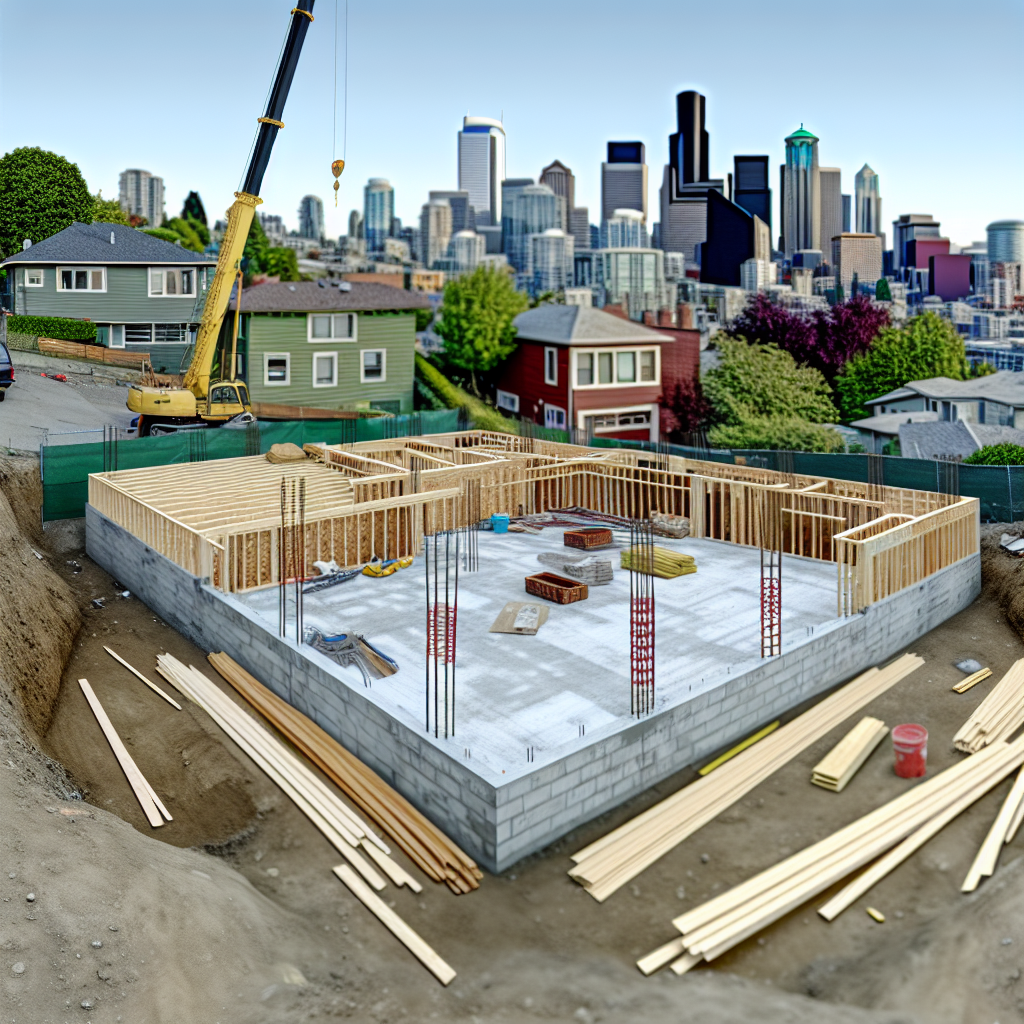
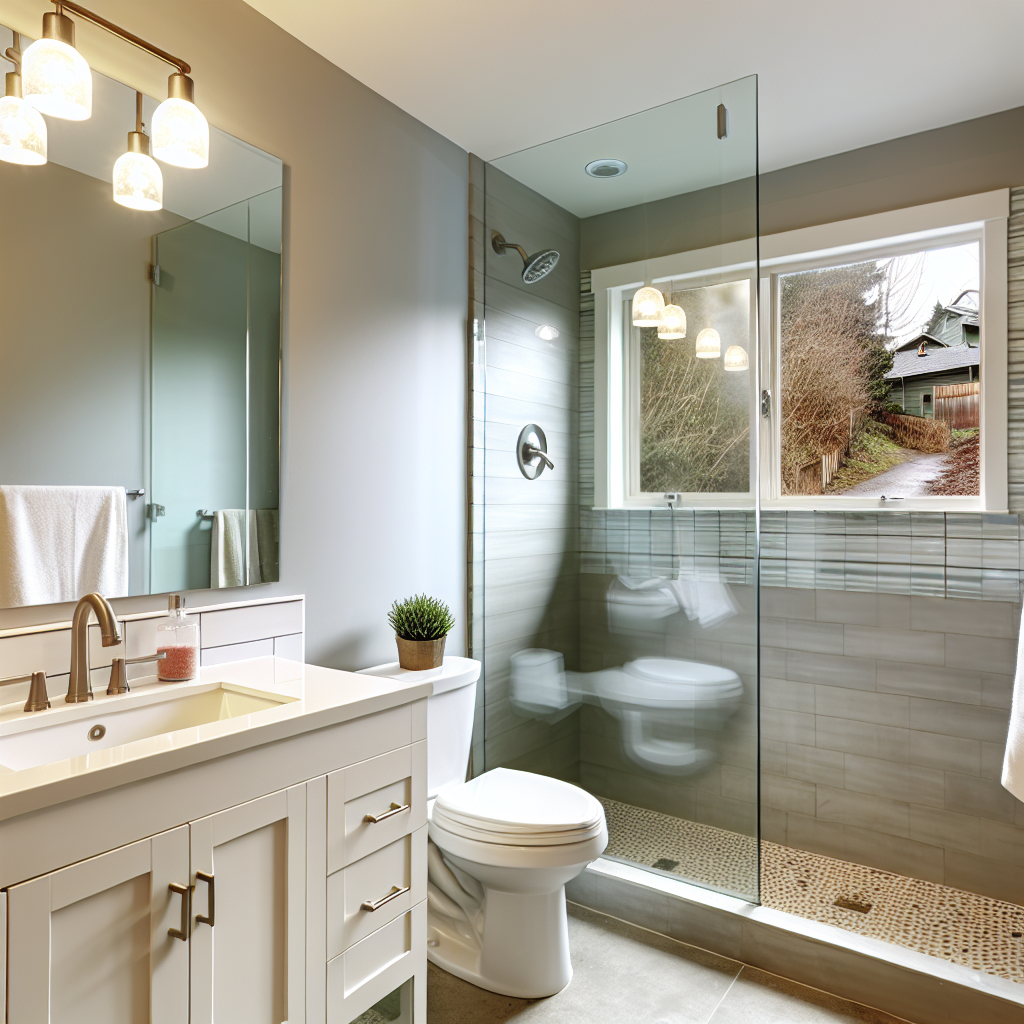
In the dynamic Seattle housing market, homeowners and property managers often face the need for expansion, particularly through home additions. As housing demands increase, thoughtfully planned home additions provide a way to enhance living space and increase property value. This article will guide you through budgeting for home additions, emphasizing the cost of adding a room while incorporating local context, such as Seattle’s unique climate, building codes, and construction standards.
Understanding the Cost of Adding a Room
The cost of adding a room to your home in Seattle can vary widely, influenced by factors such as size, design complexity, materials, and local construction costs. According to recent industry reports, homeowners can expect to pay between $80 to $200 per square foot. This range depends on the quality of materials and the complexity of finishes chosen. Integrating sustainable features or high-tech installations may increase initial costs but result in long-term savings and environmental benefits.
Local Building Codes and Standards
Seattle’s building codes play a crucial role in home addition projects. These codes ensure safety, environmental sustainability, and energy efficiency. Before initiating a construction project, it is vital to consult the Seattle Department of Construction & Inspections to understand the requirements and obtain necessary permits.
Climate Considerations for Seattle Home Additions
Seattle’s climate, characterized by wet winters and mild summers, influences construction materials and methods. Utilizing weather-resistant materials and incorporating effective insulation is essential for energy efficiency and durability. Builders often recommend materials such as fiber cement siding and energy-efficient windows to withstand Seattle’s weather patterns.
Practical Construction Guides
- Engage with a Professional Architect: An architect can help design a space that complements your existing structure while adhering to local codes.
- Detailed Planning: Prepare a comprehensive plan that includes materials, timelines, and budget estimates.
- Quality Contractor Selection: Choose licensed and reputable contractors familiar with Seattle regulations.
- Obtain Multiple Quotes: Comparing several bids can offer insight into reasonable pricing and more control over budget allocation.
Budgeting Tips for Homeowners
- Factor in Contingency Costs: Allocate 10-20% of your budget for unforeseen expenses.
- Research Financing Options: Look into home equity loans or construction loans for financing your project.
- Consider Long-Term Savings: Opt for energy-efficient installations to save on utility bills in the long run.
Common Challenges in Home Addition Projects
Undertaking a home addition project can present several challenges, including budgeting constraints and dealing with construction disruptions. To mitigate these issues, forward planning and hiring professional project managers can be beneficial. A project manager ensures that the project remains on track and within budget, addressing issues as they arise.
Step-by-Step Process for Successful Home Addition
- Initial Consultation: Meet with professionals to discuss your goals and preliminary ideas.
- Design Phase: Develop architectural plans and designs that match your vision and comply with codes.
- Permit Acquisition: Submit necessary plans for permit approval, which often involves a waiting period.
- Construction Phase: Begin construction while ensuring regular communication with the contractor to manage progress.
- Final Inspection and Approval: Ensure all work is completed to standards before the final inspection.
Evaluating Quality and Decision-Making Framework
When planning a home addition, evaluating the quality of materials and craftsmanship is crucial. Request product warranties, check the credentials and reviews of service providers, and make informed decisions. Leveraging local expertise can offer insights into regional materials best suited for Seattle’s environment.
Contractor and Project Management Tips
- Transparent Communication: Regular updates and open communication with contractors are essential for a smooth project.
- Performance Monitoring: Schedule periodic checks to ensure construction aligns with the project plan.
- Documentation: Keep comprehensive records of all agreements, designs, and transactions for reference and accountability.
Conclusion: Informed Planning for Successful Home Additions
Constructing a home addition in Seattle involves meticulous planning, a clear understanding of costs, and adherence to local regulations. By adopting strategic budgeting, leveraging professional expertise, and considering Seattle’s local factors, homeowners and property managers can achieve successful home addition projects that enhance property value and meet lifestyle needs. For authoritative guidance and resources, consider engaging with platforms like Construction Project Management to navigate the complex landscape of Seattle’s residential construction processes.
External Resources:
- Seattle Department of Construction & Inspections: Home Addition Permit Guide
- U.S. Department of Energy: Remodeling for Energy Efficiency
- National Association of Home Builders
“`