Understanding Energy-Efficient Construction in Seattle
As the construction industry in Seattle evolves, an increasing emphasis is being placed on energy-efficient construction. The city’s unique climate, with its wet winters and mild summers, presents particular challenges and opportunities for builders and homeowners alike. For property owners looking to build or renovate, understanding sustainable home building practices is essential for reducing environmental impact and managing energy expenditures effectively.
Why Energy-Efficient Construction Matters
The demand for energy-efficient homes is rising as awareness of environmental issues and the desire to reduce utility costs grows. Builders and developers in Seattle are adopting sustainable home building practices to meet this demand while adhering to local building codes and regulations that often emphasize sustainability and energy efficiency.
Key Components of Energy-Efficient Home Building
Creating a truly energy-efficient home in Seattle involves several key components – from selecting the right materials to incorporating advanced building technologies. Below, we explore the essential elements.
Sustainable Home Building Materials
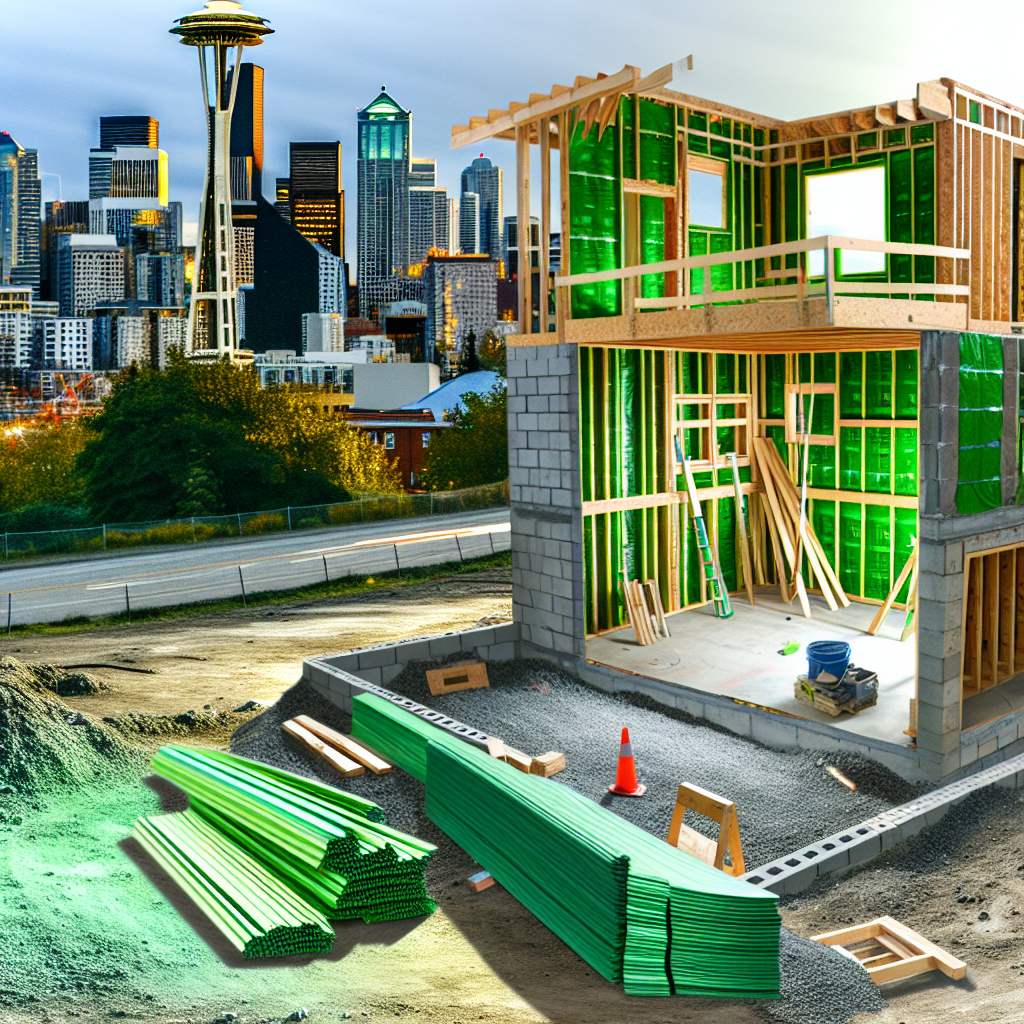
Materials play a critical role in creating energy-efficient constructions. In Seattle, using green building materials is not just an environmental decision; it also supports the local economy and complies with stringent building standards. Popular materials include recycled steel, bamboo flooring, and sustainably sourced wood.
Innovative Building Technologies
Incorporating technology such as solar panels, smart thermostats, and advanced insulation solutions can significantly enhance the energy efficiency of a home. Geothermal heating and cooling systems are also gaining traction in the Seattle area, providing efficient and sustainable climate control.
Best Practices for Energy-Efficient Construction in Seattle
For homeowners and contractors, understanding and implementing best practices in green building can optimize the energy efficiency of their projects. Here are several techniques emphasized in contemporary construction.
Planning and Design Considerations
Effective planning is crucial in sustainable construction. It starts with site selection — choosing a location that minimizes environmental impact while maximizing natural energy use. Orientation and design should aim to harness natural daylight and provide adequate ventilation, reducing the need for artificial lighting and air conditioning.
Practical Construction Guide: Energy-Efficient Windows
- Select double-glazed or triple-glazed windows for improved insulation.
- Install windows facing the south to maximize passive solar gain.
- Consider using low-emissivity coatings to reflect heat without reducing light.
Implementing Robust Insulation Techniques
Insulation is a cornerstone of any energy-efficient structure. In Seattle, where temperature variations can be moderate, appropriate insulation helps maintain desired indoor temperatures with minimal reliance on heating or cooling systems.
Checklist for Insulation Installation
- Identify areas with potential for heat loss: roofs, walls, and basements.
- Choose high-performance insulation materials like spray foam or rigid foam panels.
- Seal all cracks and gaps to prevent air leaks and improve energy efficiency.
Engaging Expert Contractors and Project Managers
The role of professional contractors and project managers cannot be understated. They ensure that every aspect of construction aligns with energy-efficient goals while meeting local building codes. Engaging experienced professionals guarantees quality work, compliance, and optimal resource management.
Common Challenges and Solutions in Energy-Efficient Building
Homeowners and professionals often face challenges such as budget constraints and limited knowledge of sustainable technologies. However, these can be addressed through careful planning and seeking expertise.
Overcoming Budget Constraints
Investing in energy-efficient technologies often comes with higher upfront costs but offers long-term savings through reduced energy bills. Seattle offers various incentives and financing options to support green building initiatives. Programs such as the City of Seattle’s Energy Efficiency Program provide valuable resources.
Avoiding Common Mistakes
In energy-efficient construction, avoiding shortcuts is crucial. For instance, compromising on insulation quality despite proper installation can lead to suboptimal performance. Regular inspections and adhering to best practices prevent such pitfalls.
Conclusion: The Importance of Informed Decision-Making
Energy-efficient construction is not just a trend; it’s an essential aspect of modern building practices that align economic and environmental interests. By prioritizing sustainable practices, homeowners and professionals contribute to a healthier environment while enjoying the benefits of reduced energy costs.
For those in Seattle undertaking new builds or renovations, engaging with the right experts and planning with a focus on sustainability are key to a successful project. Organizations like the U.S. Green Building Council provide further guidance and resources for those interested in pursuing energy-efficient projects.
Construction Project Management is committed to providing trusted insights and guidance to Seattle’s construction community, fostering informed, practical, and responsible building practices.