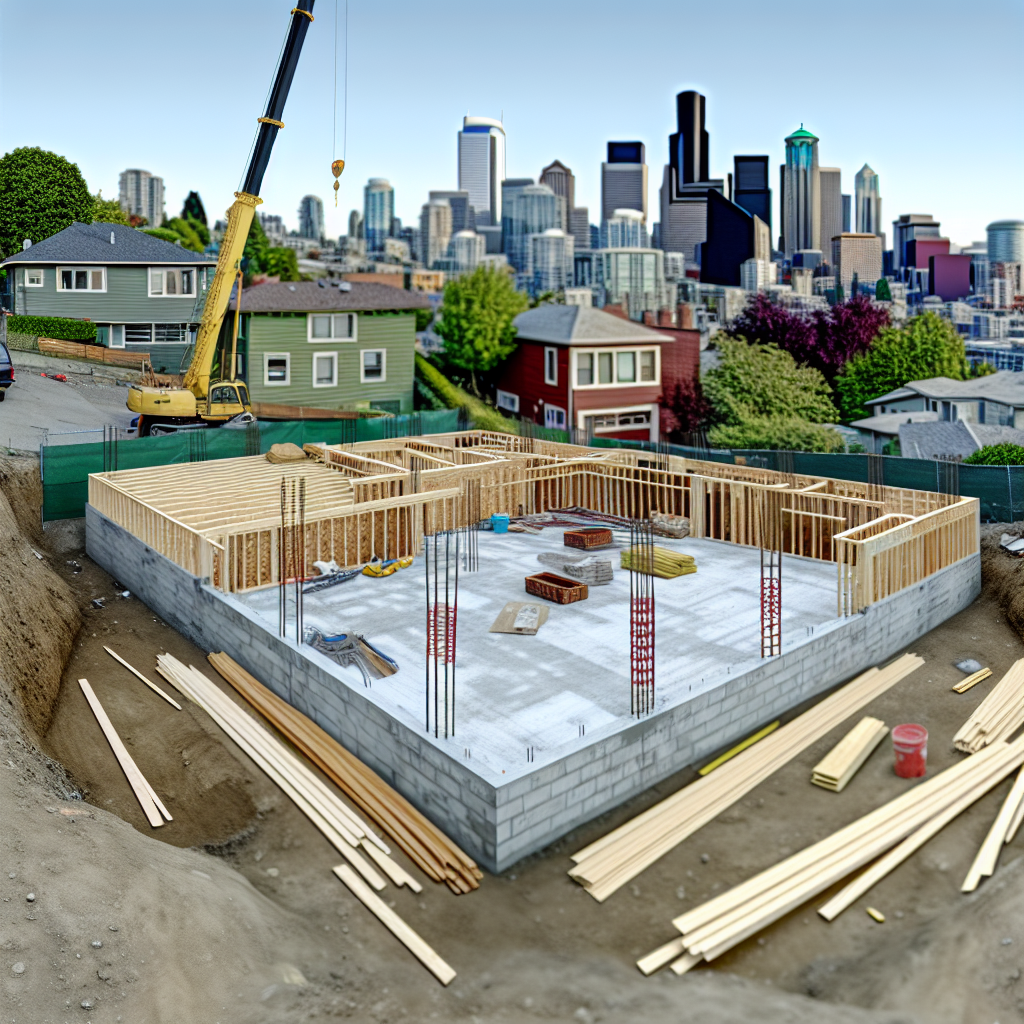

In the bustling real estate and construction landscape of Seattle, understanding building permits plays a crucial role in ensuring the success and legality of construction projects. As Washington State experiences a continuous demand for housing and commercial space, homeowners, developers, and construction professionals must navigate a complex system of permit requirements to transform their visions into tangible structures. This article delves into the intricacies of obtaining building permits in Seattle, providing valuable insights for those involved in residential and commercial construction projects.
The Importance of Building Permits in Seattle
Seattle’s unique geographical location and climatic conditions pose specific challenges and opportunities for construction projects. With the city’s evolving skyline and stringent environmental considerations, Washington State building permits are indispensable in ensuring that all structures comply with safety standards and zoning laws. Moreover, obtaining the right permits is essential for safeguarding investments and avoiding costly delays or legal issues.
Homeowner Advice: Why You Need a Building Permit
- Ensures compliance with local building codes and standards
- Prevents potential fines and legal complications
- Protects property value and insurability
- Guarantees structural safety and quality
Understanding Residential Building Permit Requirements
The residential building permit requirements in Seattle cater to various construction activities ranging from new home constructions to extensive renovations. Typically, projects involving structural changes, electrical work, plumbing, or significant architectural modifications necessitate a permit. Homeowners and contractors must collaborate with local authorities to secure the necessary approvals before commencing any work.
Step-by-Step Process for Obtaining a Residential Building Permit
- Research and understand the specific permit requirements based on your project scope.
- Prepare all necessary documentation, including site plans and project specifications.
- Submit your application to the Seattle Department of Construction and Inspections.
- Pay the applicable permit fees.
- Await review and approval by city officials.
- Once approved, display the permit at the construction site throughout the project duration.
Permits for Commercial Construction: Compliance and Innovation
Commercial construction projects in Seattle face stringent regulatory scrutiny due to the greater complexity and impact of such endeavors. Ensuring compliance with Washington State building permits involves adhering to zoning laws, environmental regulations, and energy efficiency standards. Permit requirements may vary depending on the project’s scale, location, and intended use of the space.
Contractor Tips: Streamlining the Permit Process
- Engage early with local permit offices to understand specific requirements and expectations.
- Leverage digital platforms and tools provided by the Seattle Department of Construction and Inspections for efficient application submission and tracking.
- Consider hiring an expeditor or consultant to navigate complex permitting processes.
Local Codes and Climate Considerations
Seattle’s construction landscape is significantly influenced by the region’s seismic activity and rainfall patterns. These factors necessitate specific design and construction approaches to enhance structural integrity and resilience. Adhering to local codes that address these environmental conditions is essential for project success. Additionally, Washington Association of Building Officials provides resources and guidance to ensure compliance with state and national standards.
Best Practices for Successful Permit Acquisition
Achieving a smooth and efficient permitting process requires thorough preparation, accurate documentation, and proactive communication with relevant authorities. Familiarity with the requirements and an understanding of potential challenges help mitigate risks and streamline construction timelines. Constructive and ongoing dialogue between property owners, contractors, and regulatory bodies ensures that the final structure not only meets the client’s vision but also adheres to all legal and safety requirements.
Practical Construction Guides: Common Mistakes to Avoid
- Failing to identify all needed permits before starting the project
- Providing incomplete or incorrect information in permit applications
- Underestimating the time required for permit processing
- Ignoring specific environmental assessments or impact studies
Conclusion: Embracing Informed Decision Making
In conclusion, the process of securing building permits in Seattle requires diligence, precision, and a well-informed approach. As construction demands in Washington State continue to grow, the importance of understanding and adhering to regulatory standards has never been more critical. Homeowners, property managers, and contractors must prioritize effective planning and communication to ensure successful project outcomes. By embracing the insights and best practices outlined in this article, stakeholders can navigate the dynamic and evolving construction landscape with confidence. For further details and guidance, resources such as Building Permit Information for Washington State can provide valuable assistance.