“`html
Introduction: Unveiling the Challenges and Opportunities in Remodeling Older Homes in Seattle
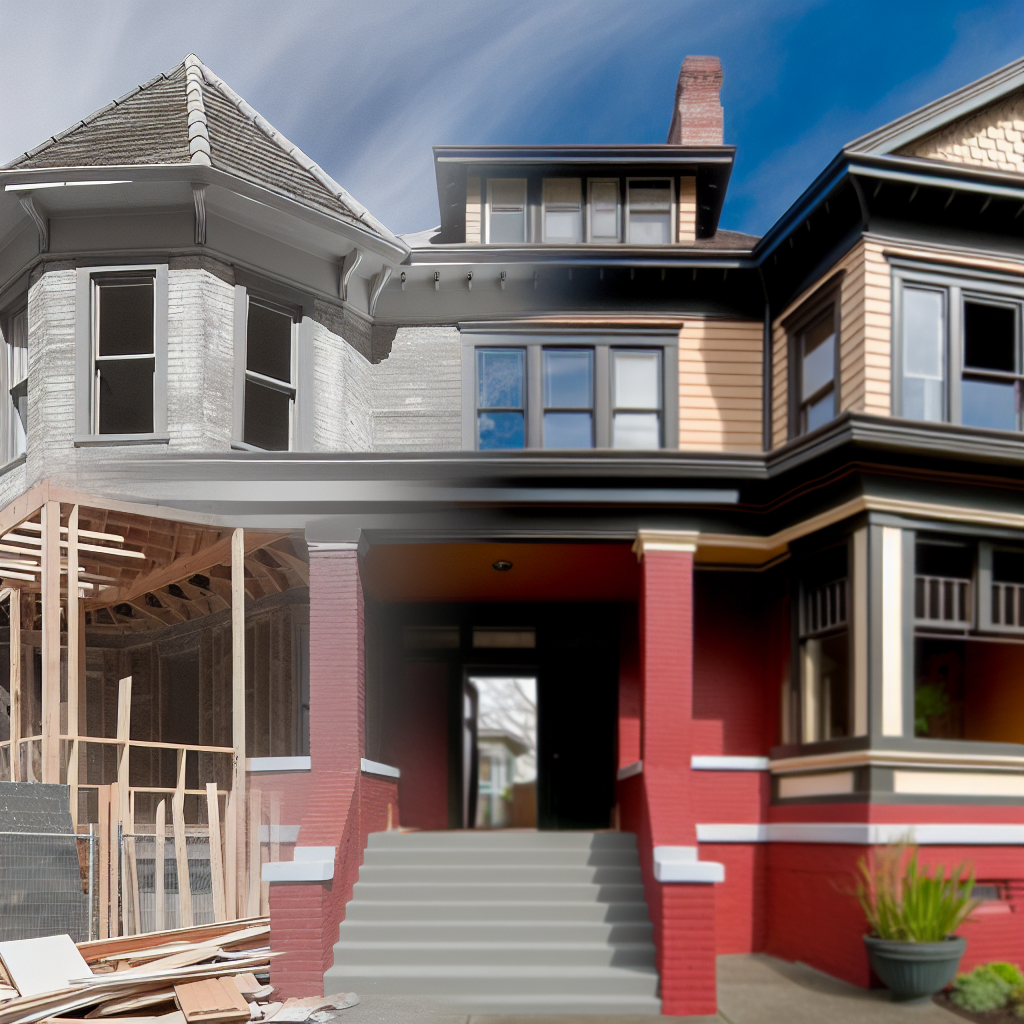
In the vibrant Seattle housing market, remodeling older homes presents a mix of unique challenges and rewarding opportunities. With a focus on preserving the architectural charm of historic houses while incorporating modern amenities, homeowners and professionals must navigate the complex landscape of renovating these timeless structures. This guide aims to shed light on the essential aspects of upgrading older homes, providing comprehensive insights and practical guidance tailored for the Seattle region.
Understanding Seattle’s Climate and Building Codes
The maritime climate of the Pacific Northwest necessitates specific considerations when undertaking a remodeling project. Seattle’s weather patterns, characterized by heavy rainfall and moderate temperatures, influence the selection of materials and construction methods. Moreover, adhering to local building codes is paramount in ensuring a successful renovation of historic houses. These regulations, designed to uphold safety and energy efficiency standards, require careful planning and expert execution.
Climate Considerations for Renovating Historic Houses
With the frequent rainfall in Seattle, moisture management is a critical aspect of any renovation project. Contractors and homeowners must prioritize waterproofing solutions and proper insulation to prevent issues such as mold and structural degradation. Choosing materials that withstand moisture and promoting effective ventilation are essential strategies when remodeling older homes.
Complying with Local Building Codes
Renovating historic homes often involves navigating complex building codes. Obtaining the necessary permits and ensuring compliance with historic preservation guidelines is crucial. Partnering with experienced contractors who understand these regulations can facilitate a smoother renovation process and avoid potential legal pitfalls.
Key Considerations in Remodeling Older Homes
Every renovation project begins with a thorough assessment of the home’s existing conditions. Identifying structural elements that require attention ensures safety and efficiency throughout the renovation process. From foundation repairs to electrical upgrades, addressing these critical areas helps maintain the integrity of the property.
Assessing Structural Integrity
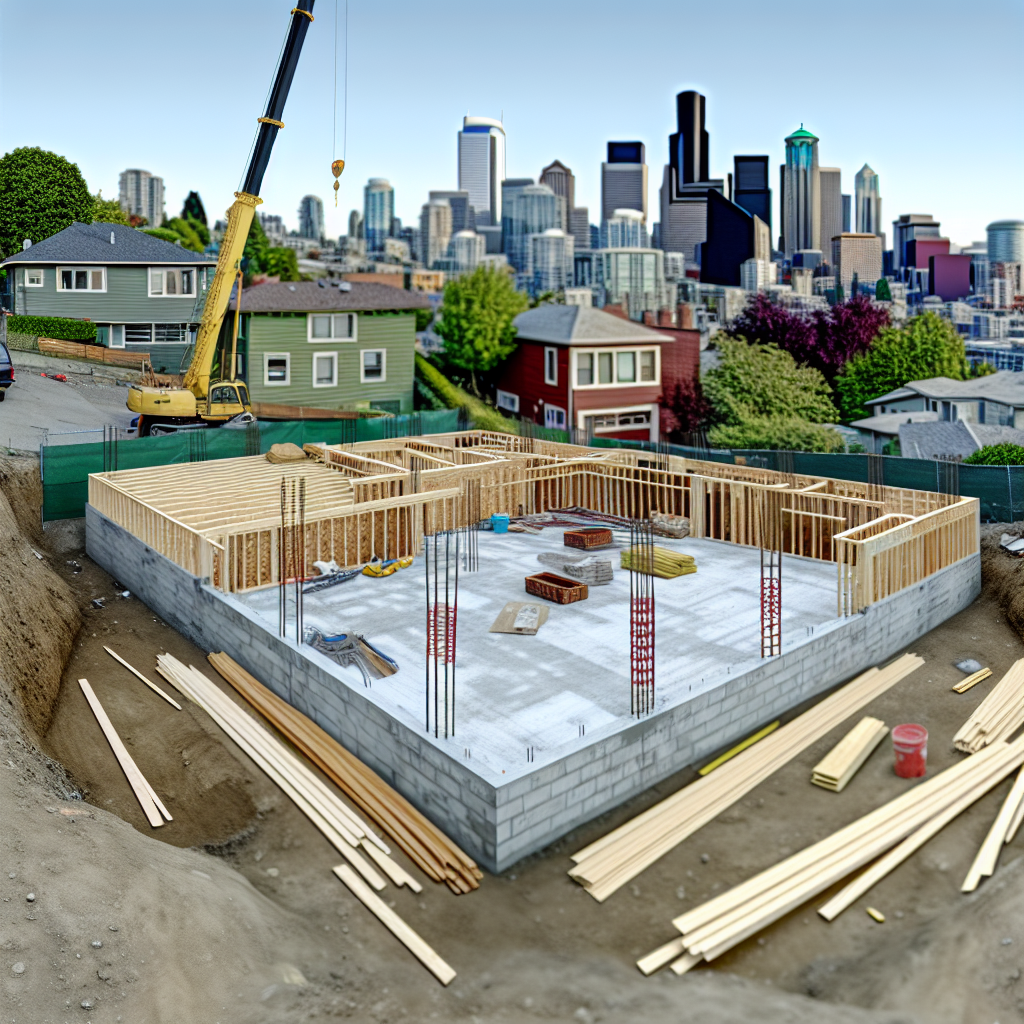
Before diving into old home renovation ideas, professionals must evaluate the structural soundness of the building. This assessment guides decisions regarding necessary reinforcements or modifications. Strengthening the foundation and inspecting load-bearing walls are fundamental steps in a successful renovation.
Integrating Modern Amenities into Historic Houses
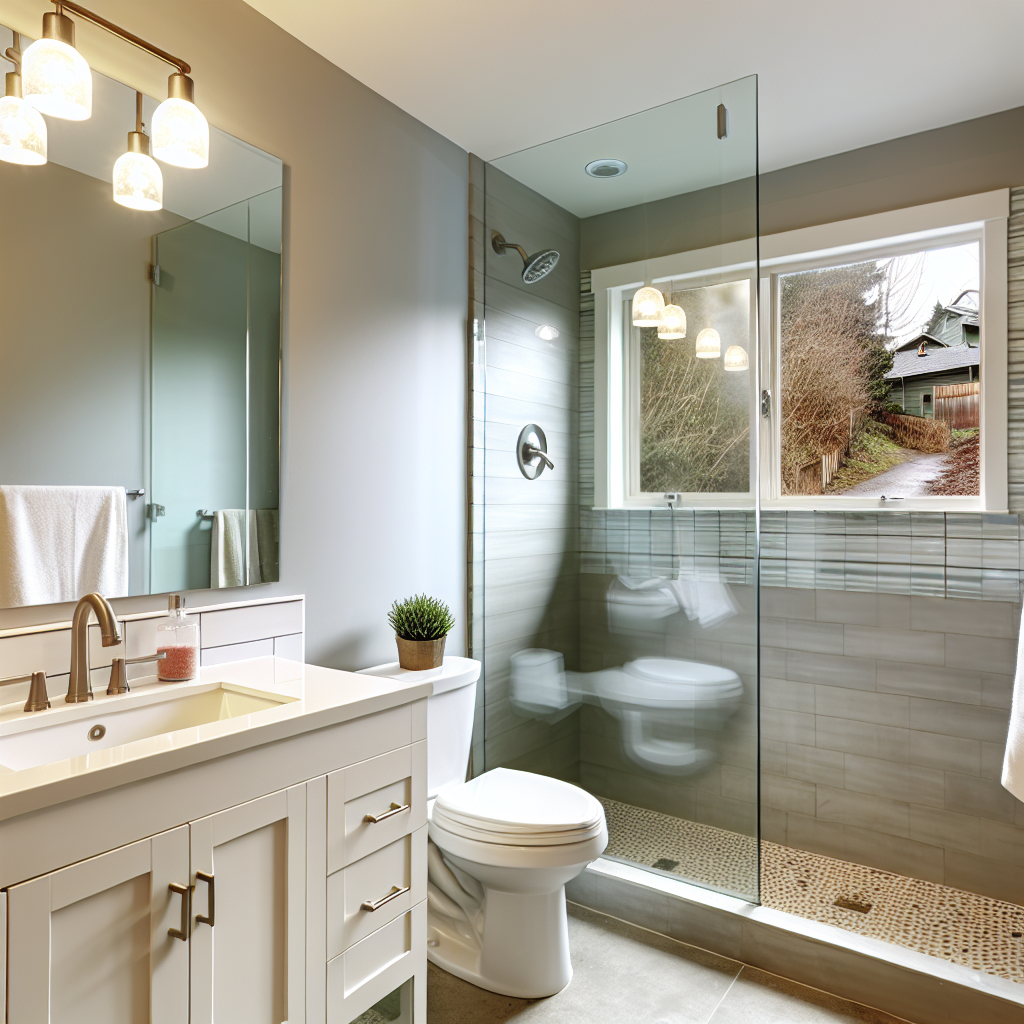
While preserving the charming aesthetics of historic homes is important, integrating modern amenities is equally crucial. Upgraded electrical and plumbing systems ensure functionality and safety. Thoughtful design solutions can harmoniously blend contemporary comforts with the distinctive character of older homes.
Practical Guides: Step-by-Step Processes in Home Restoration
Conducting a Preliminary Inspection
- Engage a professional inspector to assess the condition of the property.
- Identify key areas requiring repairs or upgrades, such as roofing, foundation, and wiring.
- Document findings to guide the renovation planning process.
Prioritizing High-impact Renovations
- Focus on essential structural improvements before cosmetic enhancements.
- Address moisture-related issues, such as roof leaks or inadequate drainage systems.
- Prioritize energy efficiency upgrades, including windows and insulation.
Working with Contractors and Project Managers
- Select contractors with experience in historic home renovations.
- Ensure clear communication and establish a defined project timeline.
- Regularly review progress and adjust plans as necessary to stay on track.
Budgeting and Financial Planning for Home Restoration
Effective financial planning is crucial in managing renovation costs and mitigating unexpected expenses. Understanding the scope of work and setting realistic budgets allows homeowners to allocate resources efficiently and avoid overextending financially.
Estimating Costs and Securing Financing
Collaborate with contractors to develop accurate cost estimates. Exploring financing options, such as renovation loans or grants for historic preservation, provides financial flexibility. A contingency fund should also be included to cover unforeseen challenges that may arise during the renovation process.
Conclusion: Embrace the Journey of Renovating Older Homes
Remodeling older homes in Seattle is a journey of blending history with contemporary living, guided by a deep appreciation for architectural heritage. By navigating climate considerations, adhering to building codes, and implementing practical renovation strategies, homeowners and professionals can achieve remarkable transformations. Thoughtful planning and informed decision-making pave the way for successful home restoration projects, enriching the Seattle housing landscape and preserving its unique character.
For further insights on Seattle-specific construction practices and expert tips, visit King County Permits and Historic Seattle Resources.
“`