“`html
The Importance of Waterproofing Before Tiling in Seattle’s Construction Projects
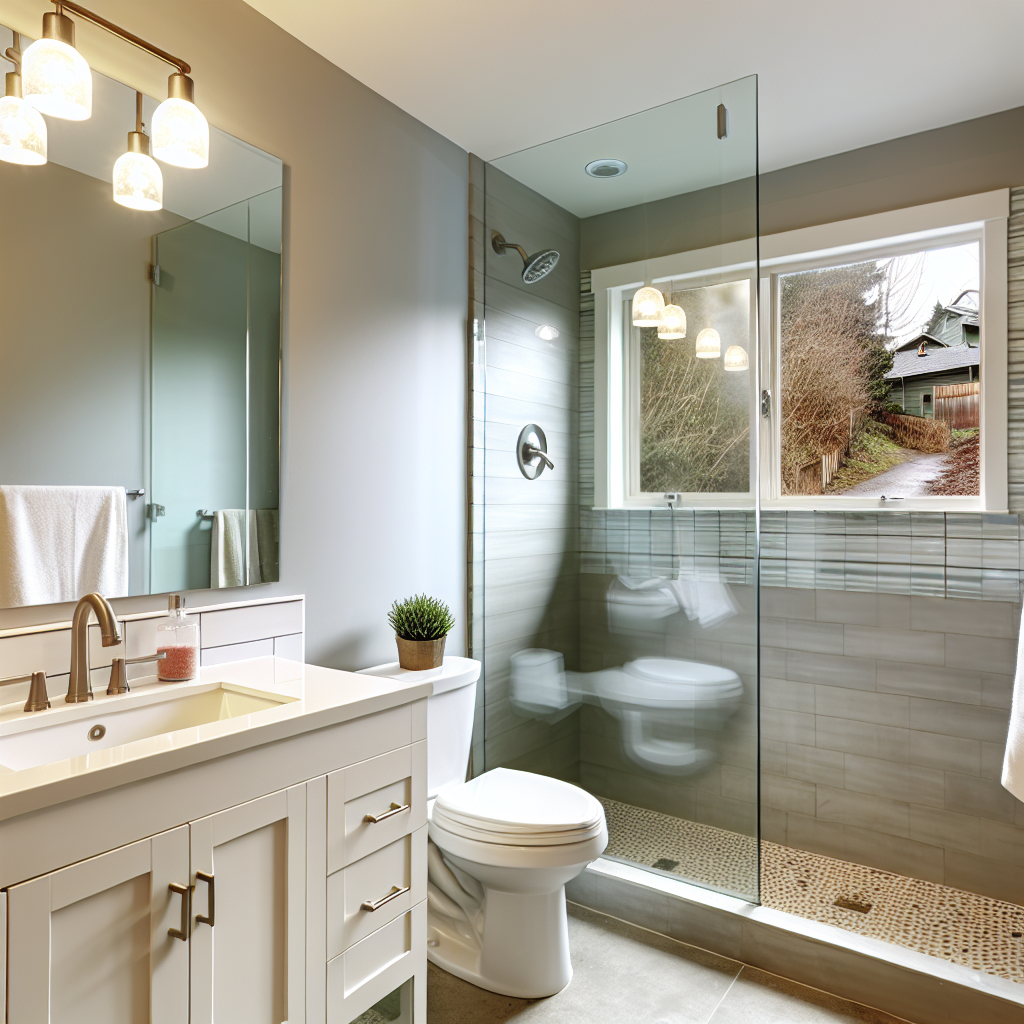
Waterproofing is a critical step in tiling projects, especially in regions like Seattle, Washington, where rainfall is significant. Failing to waterproof properly can lead to water damage, mold growth, and structural issues, making it essential for both residential and commercial projects. This guide explores why waterproofing is indispensable, how it integrates with the unique Seattle construction landscape, and provides a shower waterproofing guide for seamless implementation.
The Role of Waterproofing in Modern Construction
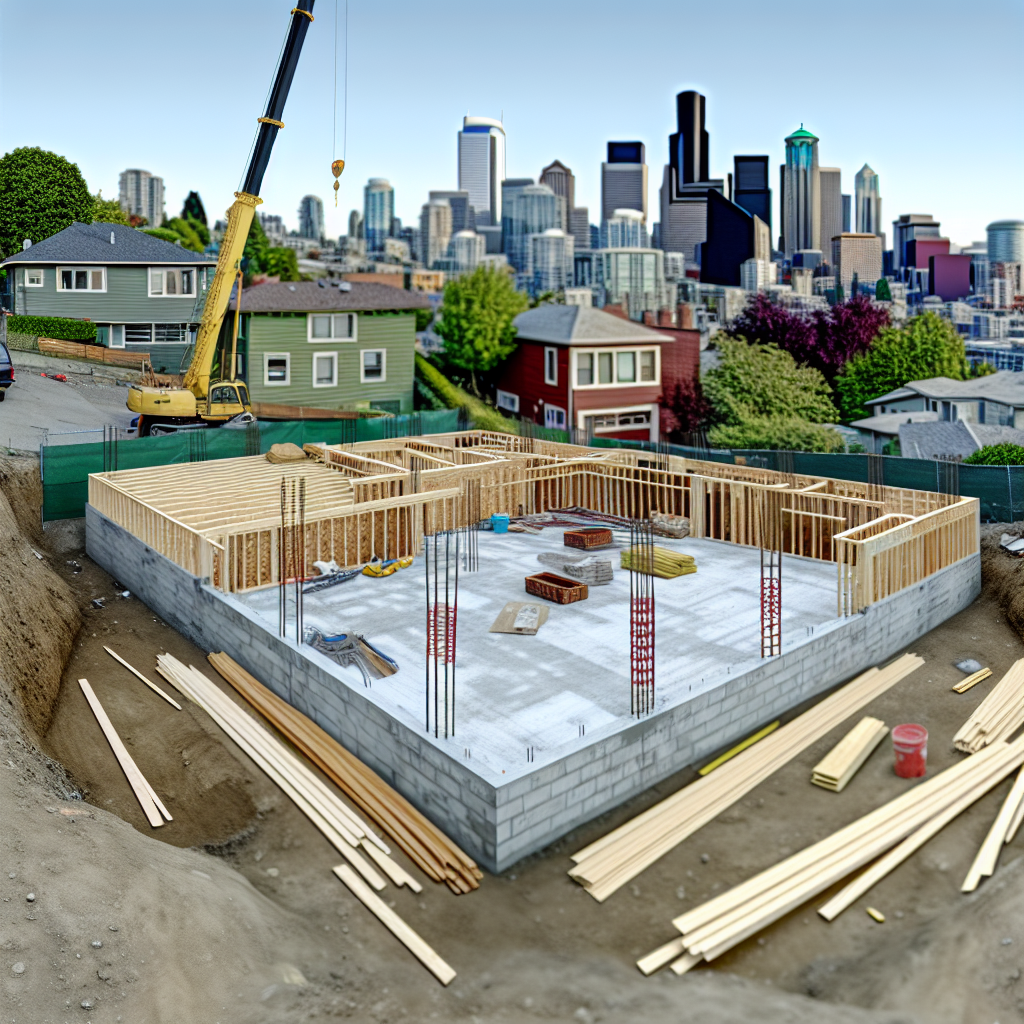
In today’s construction world, particularly in Seattle, a region known for its wet climate, waterproofing is more crucial than ever. As Seattle’s housing market evolves, with increased demand for sustainable and resilient building practices, ensuring that every construction project integrates adequate waterproofing solutions becomes necessary. This applies to new builds as well as renovation projects seeking longevity and safety.
Understanding the Waterproofing Process
- Surface Preparation: Before any tiling, surfaces must be clean, dry, and structurally sound to ensure the waterproofing materials adhere properly.
- Application of Waterproofing Materials: Incorporating membranes, sealants, and additional barriers that are resistant to Seattle’s moisture-rich conditions is vital.
- Inspection and Verification: Ensuring the waterproofed area is free of defects and completely covered is crucial before tiling begins.
Seattle Climate Considerations in Waterproofing
The Pacific Northwest’s climate presents unique challenges, with continuous heavy rainfall and humidity, which can compromise construction integrity if not properly addressed. Local building codes emphasize the need for proper waterproofing techniques to maintain the structural health of buildings. Understanding these climate-specific requirements is essential for any construction project succeeding in Seattle.
The Seattle Department of Construction and Inspections (Seattle DCI) provides guidelines that help ensure all construction complies with local standards, emphasizing the importance of waterproofing.
Common Challenges and Best Practices in Seattle
While the concepts of waterproofing are universally recognized, the Seattle context demands specific attention due to its unique weather conditions. Some common challenges include:
- High Moisture Saturation: Encountering water infiltration that surpasses minimal waterproofing measures.
- Mold Development: With a constant damp environment, buildings are more susceptible to mold if waterproofing is inadequately performed.
- Structural Concerns: Prolonged moisture exposure without proper waterproofing can weaken structural components over time.
Adhering to best practices involves selecting high-quality waterproofing materials and regularly updating methods to align with the latest industry advancements.
Contractor and Project Manager Roles
Construction project managers and contractors play a pivotal role in implementing effective waterproofing. Their responsibilities include selecting appropriate materials, training workers on best practices, and conducting thorough inspections to ensure compliance with Seattle’s standards. Collaboration with specialists, such as waterproofing consultants, is often beneficial in complex projects.
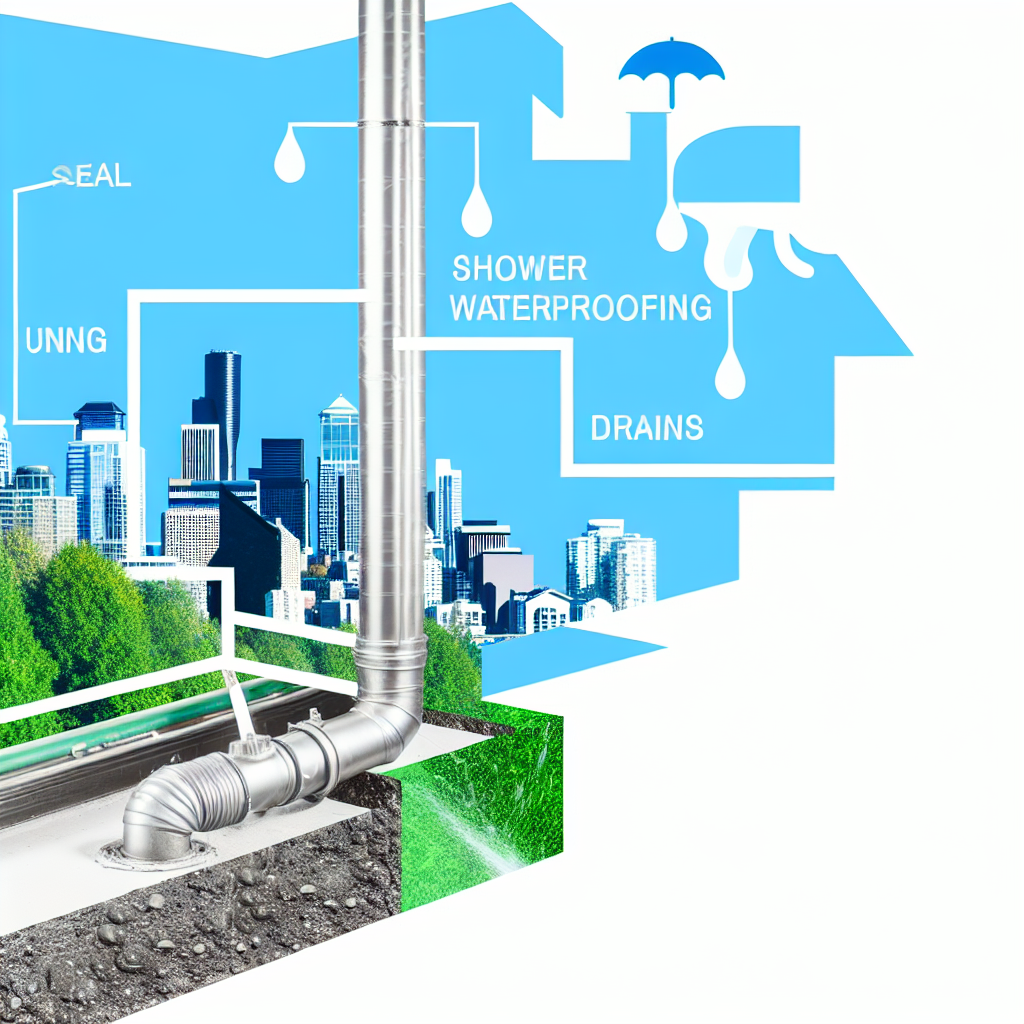
Practical Shower Waterproofing Guide
- Choose the Right Materials: Opt for high-quality, Seattle-suitable waterproof membranes and sealants that are resilient to local conditions.
- Prepare the Shower Area: Clean surfaces and fill any gaps or cracks to create a smooth base for the waterproofing application.
- Apply Waterproof Membrane: Use a brush or roller to evenly spread the waterproof membrane, adhering to the manufacturer’s instructions.
- Seal Joints and Corners: Pay extra attention to corners and joints, where water is most likely to penetrate. Consider additional reinforcement with waterproof tape.
- Test the Waterproofing: Once the membrane is dry, conduct a water test to ensure there are no leaks.
Educational Guidance for Homeowners
Homeowners in Seattle must recognize the significance of waterproofing not just as a preventive measure but as an investment in their property’s longevity. Knowledge of the processes and an understanding of reputable practices equips homeowners to make informed decisions. Consulting resources, like the CertainTeed site, can provide additional insights and reinforce best practices in waterproofing.
Conclusion
Proper waterproofing before tiling is a critical component of successful construction projects in Seattle. It ensures structural integrity, prevents costly repairs, and promotes healthy living and working environments by minimizing the risk of water damage and mold. By following this comprehensive guide, engaging with qualified professionals, and adhering to local standards, property owners and construction professionals can make informed decisions that pave the way for durable, well-protected buildings.
For ongoing insights and guidance in managing construction projects in Seattle, Construction Project Management stands as a trusted educational resource, committed to equipping you with the knowledge to undertake successful projects. Stay informed and connected with industry standards for a more resilient future.
“`